Our purpose-built and configurable platform brings together everything your company needs to optimize the Third-Party Lifecycle.

In an industry driven by scientific innovation and regulatory rigor, pharmaceutical companies face constant operational transformation, from clinical expansions and global acquisitions to shifting tax laws and supplier transitions. Amid these changes, one area remains vulnerable yet overlooked: accounts payable (AP).
The stakes are high. Errors in financial workflows don’t just affect cash flow, they can disrupt supplier trust, impact audit readiness, and compromise compliance with global standards like FDA, EMA, and SOX.
This whitepaper presents a proactive playbook for finance leaders in life sciences, outlining how to mitigate AP risk, recover hidden losses, and strengthen internal controls in the face of industry complexity.
Pharmaceutical companies face heightened AP challenges due to complex global vendor networks, high invoice volumes, and constant operational changes—from acquisitions to product launches. These factors, combined with strict compliance requirements, create an environment where traditional ERP systems often fall short. Duplicate payments, missed credits, and overbilling slip through, silently eroding profitability.
apexanalytix audits reveal common, costly errors across pharma organizations. These include resubmitted invoices with slight variations, unclaimed credits from inactive vendors, inconsistent vendor records, and missed rebates or contract pricing. Many of these losses stem from disconnected systems, manual processes, and a lack of visibility into negotiated terms.
Pharma finance leaders are adopting a three-part approach to gain control:
| Topic | Key Point |
|---|---|
| What it is | A whitepaper offering a proactive playbook for life sciences finance leaders on mitigating accounts payable risk, recovering hidden losses, and strengthening internal controls |
| Why it matters | AP errors don’t just hurt cash flow in pharma — they can disrupt supplier trust, undermine audit readiness, and jeopardize compliance with FDA, EMA, and SOX standards, raising the stakes well beyond a typical finance function |
| Constant change makes pharma AP uniquely exposed | Complex global vendor networks, high invoice volumes, and continuous operational shifts like acquisitions and product launches push traditional ERP systems past their limits, letting duplicate payments, missed credits, and overbilling slip through unnoticed |
| Leakage hides in disconnected systems and manual work | Resubmitted invoices with slight variations, unclaimed credits from inactive vendors, inconsistent vendor records, and missed rebates or contract pricing recur across pharma audits, almost always traced back to a lack of visibility into negotiated terms |
| A three-pillar approach restores control | Recovery audits uncover duplicate payments and pricing discrepancies (one client recovered $246M over a 20+ year partnership), real-time prevention software catches anomalies before they become overpayments, and continuous monitoring after M&A or system changes keeps controls aligned as the business evolves |
| Prevention pays off beyond the recovered dollars | Stronger overpayment controls also improve compliance posture, free AP teams from manual firefighting to focus on higher-value work, strengthen vendor relationships, and generate recovered funds that can help finance automation and transformation efforts |
| Best practice | Pair recovery audits with real-time prevention software and ongoing monitoring, especially around major business changes like M&A or system upgrades, rather than treating overpayment prevention as a one-time cleanup |
| Bottom line | Payment risk doesn’t have to move at the same pace as constant industry change — the right combination of audit and prevention tools lets pharma finance leaders reclaim lost funds, tighten controls, and protect the bottom line for the long term |
Preventing overpayments isn’t just about cost savings. It strengthens compliance, frees AP teams to focus on value-add work, and improves vendor relationships. Recovered funds can also fuel automation and finance transformation initiatives.
Change is constant in pharma, but payment risk doesn’t have to be. With the right audit and prevention tools, you can recover lost funds, improve controls, and protect your bottom line.
Discover how apexanalytix recovery audit services can help you reclaim lost funds and strengthen long-term overpayment prevention.
About the Author
Matthew Morookian
Senior Director of Product Marketing, apexanalytix
Matthew Morookian is Senior Director of Product Marketing at apexanalytix, with over 7 years of experience helping finance and procurement teams understand how to protect and recover company revenue. His work spans product positioning, content strategy, and go-to-market programs focused on audit, risk, and supplier management solutions.
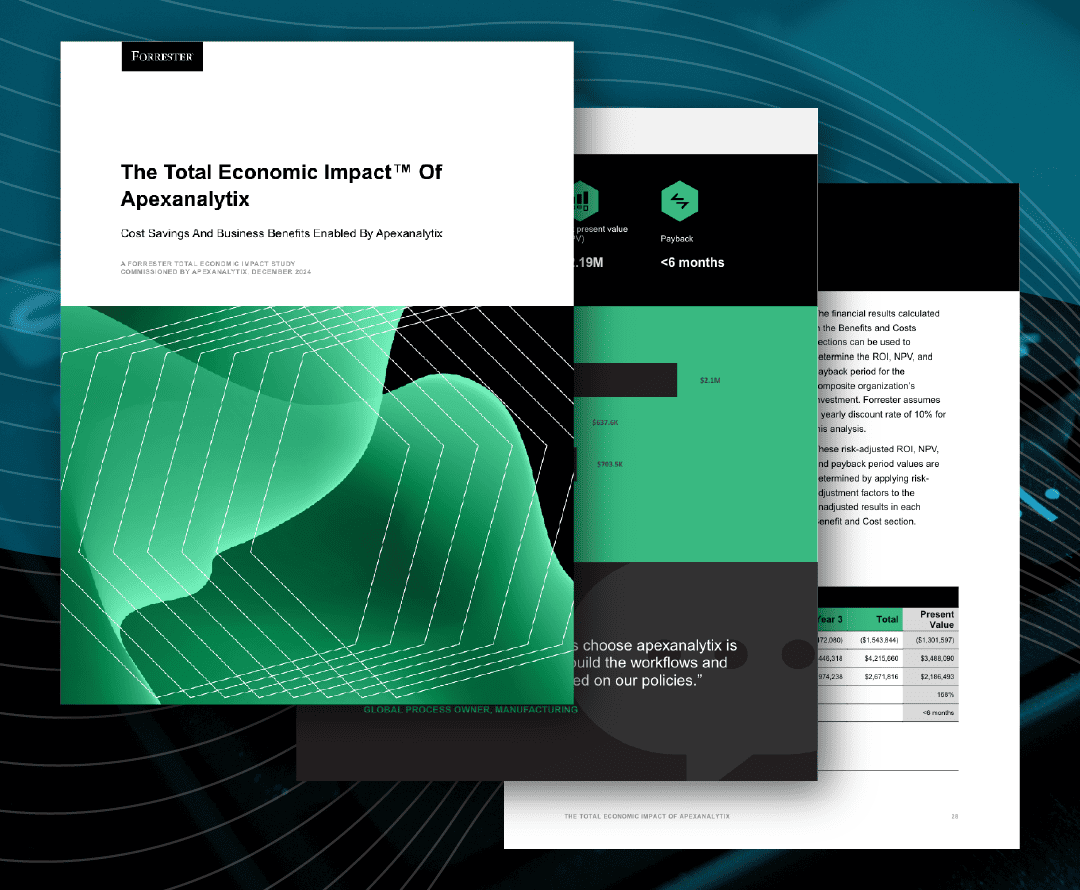
Explore our ROI calculator, developed in partnership with Forrester, by navigating to the link below and selecting “configure data” on the right-hand side.