Our purpose-built and configurable platform brings together everything your company needs to optimize the Third-Party Lifecycle.

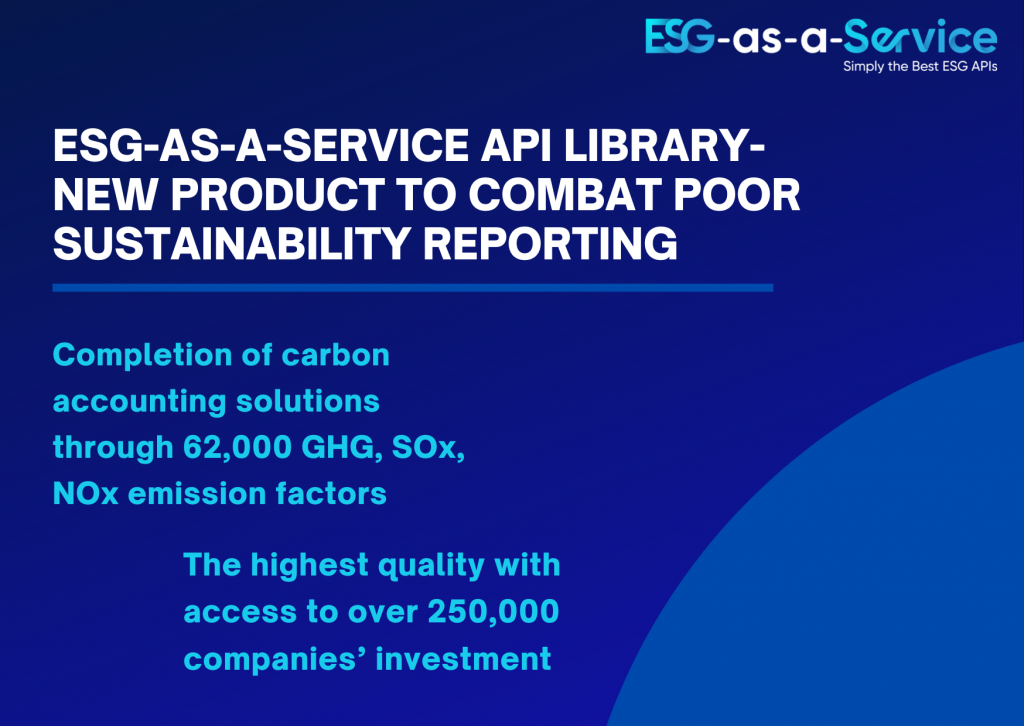
Guide to ESG-as-a-Service, which is poised to become the best intervention to help produce ESG and sustainability applications through API, is great news for developers of sustainability solutions in various organizations. This one-of-a-kind innovation features the queen evolution and is an improvement that can help organizations better manage carbon emissions and perform carbon accounting and ESG reporting. It has components that facilitate better data management and integration alongside KPI measurement and the development of inbuilt reporting systems using standardized reporting frameworks.
It is an encompassing solution that seeks to target every core aspect of sustainability and aid organizations in achieving their sustainability goals quickly. Here is a brief guide to ESG-as-a-Service for IT developers.

The first step to utilizing the ESG-as-a-Service for developing sustainability solutions is to sign up and acquire a free API account at the official website of the ESG enterprise. This ESG-as-a-service API provides all data needed for ESG and helps integrate GHG calculations in already existing IT systems, facilitating ease of use and flexibility.
After signing up, you would have to acquire a security token, an alphanumeric code generated from the ESG Enterprise website; this security token gives you access to building digital ESG solutions. The API security token gives you access to begin to develop your carbon accounting, GHG reporting system, and all other functionality that can be obtained through the ESG-as-a-service API library
The documentation contains all the crucial information about the APIs, including the terms of use of service, call rates and limits, and all other necessary instructions on how to successfully use the API library to develop your organization’s sustainability software.
The next crucial step to fulfill before using the ESG-as-a-Service API is to highlight and identify the various requirements of your organization. This includes risk analysis, current situations, and the organization’s objectives related to sustainability.
The state of greenhouse gas emissions, including scopes 1, 2, and 3, and assessment of other climatic factors to know where the organization lies as regards the reporting of emissions and carbon accounting, will set the premise for the development of the sustainability application using ESG as a service API library.
This is where the work of creating the sustainability application lies. Developers can make calls with the API to perform different functions in their program. The API libraries are resources that can help undertake carbon accounting activities, GHG reporting, risk analysis, and all other related ESG functions. This API makes for smooth integration with existing data systems and can help developers frame a personalized solution based on the organization’s needs.
| Topic | Key Point |
|---|---|
| What it is | ESG-as-a-Service is an API-based platform that lets developers embed carbon accounting, GHG calculations, and standardized ESG reporting directly into new or existing sustainability applications |
| Why it matters | As organizations face growing pressure to measure emissions and report against standardized frameworks, an API approach lets teams build compliant ESG capabilities faster and at lower cost without rebuilding core systems |
| How to get started | Developers sign up for a free API account, generate a unique security token, and review the API documentation for call limits, terms of use, and integration guidance before building |
| What you can build | The API library supports carbon accounting, Scope 1, 2, and 3 GHG reporting, risk analysis, and other ESG functions that integrate cleanly with existing data systems |
| How it works in practice | After defining the organization’s ESG requirements and emissions baseline, developers make targeted API calls to perform each function and assemble a solution tailored to organizational goals |
| Best practice | Begin by mapping business ESG requirements — risk exposure, current emissions, and sustainability objectives — so the application is built around real reporting needs rather than generic functionality |
| Bottom line | ESG-as-a-Service helps developers deliver flexible, cost-efficient sustainability solutions that centralize emissions tracking, carbon accounting, and framework-based reporting in a single integration |
Managing everything related to sustainability on a single software is a goldmine for organizations and makes the ESG as a software API crucial to attaining this milestone. The ESG as a service is remarkable with its great flexibility, reduced application development cost, and heightened efficiency. It is highly compatible with Microsoft.net, web apps, backend programming, and other developing platform and helps developers create the best solution, which includes resources for calculating greenhouse gas emissions and producing reporting frameworks.
About the Author
Matthew Morookian
Senior Director of Product Marketing, apexanalytix
Matthew Morookian is Senior Director of Product Marketing at apexanalytix, with over 7 years of experience helping finance and procurement teams understand how to protect and recover company revenue. His work spans product positioning, content strategy, and go-to-market programs focused on audit, risk, and supplier management solutions.
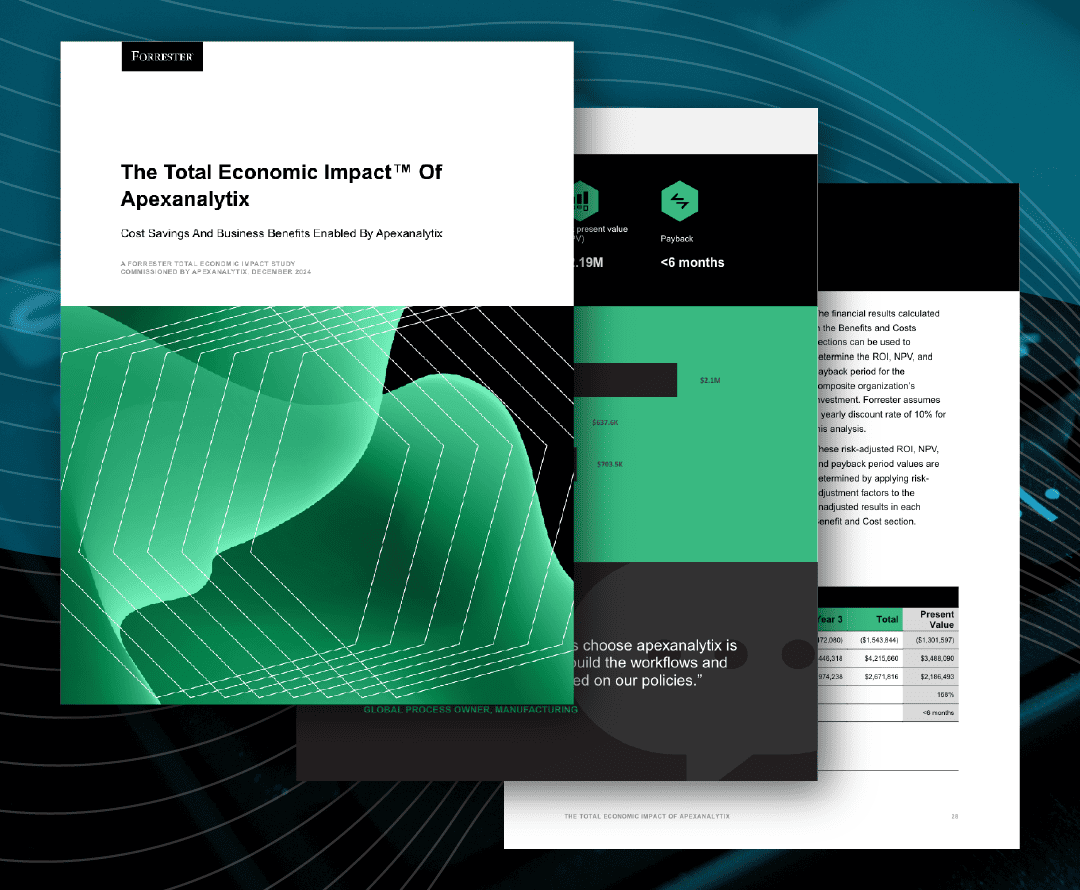
Explore our ROI calculator, developed in partnership with Forrester, by navigating to the link below and selecting “configure data” on the right-hand side.